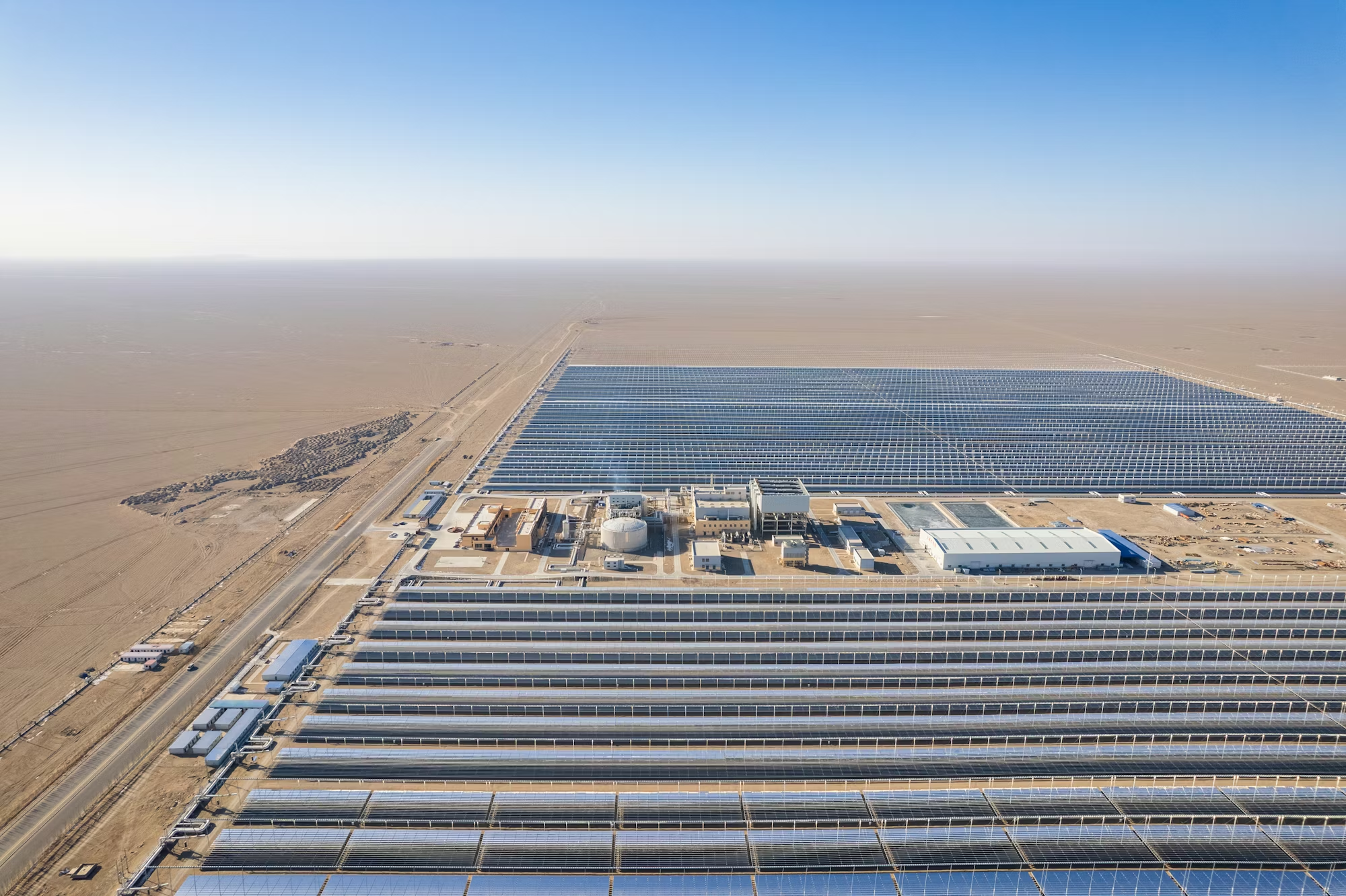
Harnessing the Power of Energy Efficiency: Strategies for a Sustainable Future
As global awareness of environmental issues continues to grow, energy efficiency has emerged as a critical component in the quest for sustainability. By optimizing energy use, we can reduce consumption, lower costs, and mitigate the impact of climate change. This article explores the importance of energy efficiency, the benefits it offers, and practical strategies that individuals and businesses can adopt to create a more sustainable future.
Understanding Energy Efficiency
Energy efficiency refers to using less energy to perform the same task or achieve the same outcome. It involves adopting technologies and practices that reduce energy waste while maintaining or improving productivity and comfort. The concept extends to all sectors of society, including residential, commercial, and industrial applications.
Investing in energy efficiency is often one of the most cost-effective ways to address energy needs. By utilizing resources more effectively, we can decrease energy consumption without sacrificing quality of life or productivity. This approach not only leads to significant cost savings but also plays a vital role in reducing greenhouse gas emissions, thereby contributing to a healthier planet.
The Benefits of Energy Efficiency
1. Cost Savings: One of the most immediate benefits of energy efficiency is the reduction in energy bills. By consuming less energy, households and businesses can save substantial amounts over time. According to the U.S. Department of Energy, energy efficiency measures can save consumers up to 30% on their energy bills.
2. Environmental Impact: Increased energy efficiency reduces the demand for energy, which, in turn, decreases the reliance on fossil fuels. This reduction leads to lower carbon emissions and a decreased environmental footprint. By minimizing energy waste, we can help mitigate climate change and protect natural resources.
3. Enhanced Comfort: In residential settings, energy-efficient technologies often improve comfort levels. For example, properly insulated homes maintain consistent temperatures, leading to a more comfortable living environment. Energy-efficient appliances and lighting also enhance the quality of life by providing better performance and reduced operational noise.
4. Increased Property Value: Properties equipped with energy-efficient features tend to have higher market values. Prospective buyers are increasingly interested in energy-efficient homes due to their lower operating costs and environmental benefits. Thus, investing in energy efficiency can enhance property value and appeal.
5. Job Creation: The energy efficiency sector creates jobs across various industries. From manufacturing energy-efficient appliances to retrofitting buildings, the demand for skilled labor in this field is on the rise. Investing in energy efficiency not only contributes to environmental sustainability but also stimulates economic growth.
Practical Strategies for Individuals
1. Home Improvements
One of the most effective ways individuals can enhance energy efficiency is through home improvements. Simple upgrades can significantly reduce energy consumption:
– Insulation: Proper insulation helps maintain comfortable indoor temperatures by preventing heat loss in winter and keeping homes cool in summer. Upgrading insulation in attics, walls, and basements can yield substantial energy savings.
– Windows and Doors: Installing energy-efficient windows and doors reduces drafts and heat transfer. Double-glazed or low-emissivity (Low-E) glass can enhance thermal performance.
– Energy-Efficient Appliances: Replacing old appliances with ENERGY STAR® rated models ensures that they consume less energy while providing the same or better functionality.
2. Smart Technology
Embracing smart technology is another effective strategy:
– Smart Thermostats: Programmable or smart thermostats optimize heating and cooling schedules, allowing homeowners to reduce energy use during periods when they are away.
– Smart Lighting: Utilizing LED bulbs and smart lighting systems helps to minimize energy consumption. Smart bulbs can be controlled remotely and programmed to turn off when not needed.
– Energy Monitoring Systems: These systems provide real-time data on energy usage, allowing users to identify patterns and make informed decisions about energy consumption.
3. Behavioral Changes
Simple changes in daily behavior can also lead to significant energy savings:
– Unplug Devices: Many devices consume energy even when turned off. Unplugging chargers, electronics, and appliances when not in use can prevent this phantom energy loss.
– Adjust Thermostat Settings: Lowering the thermostat during winter and raising it during summer can lead to considerable energy savings. A change of just a few degrees can make a difference.
– Practice Efficient Laundry Habits: Washing clothes in cold water and air-drying when possible can significantly reduce energy use associated with laundry.
Strategies for Businesses
1. Energy Audits
Businesses should conduct energy audits to identify areas of inefficiency. An audit assesses how energy is consumed and provides recommendations for improvements. This process can help businesses develop targeted strategies to reduce energy costs and improve sustainability.
2. Employee Engagement
Engaging employees in energy-saving initiatives can foster a culture of efficiency:
– Training and Awareness: Providing training on energy-efficient practices empowers employees to make informed decisions in their daily tasks.
– Incentive Programs: Implementing incentive programs for employees who contribute to energy savings can motivate staff to actively participate in efficiency efforts.
3. Infrastructure Upgrades
Businesses should consider investing in energy-efficient infrastructure:
– HVAC Systems: Upgrading heating, ventilation, and air conditioning (HVAC) systems to more efficient models can lead to substantial energy savings and improved indoor air quality.
– Lighting Solutions: Switching to energy-efficient lighting solutions, such as LED fixtures, can reduce energy costs and improve workplace conditions.
– Renewable Energy Sources: Integrating renewable energy sources, such as solar panels, can further enhance sustainability and reduce reliance on traditional energy sources.
The Future of Energy Efficiency
As technology continues to evolve, the potential for energy efficiency will expand. Innovations in energy storage, smart grids, and building automation will pave the way for even greater efficiencies. Additionally, government policies and incentives promoting energy efficiency will play a crucial role in shaping the future landscape.
Public awareness and education will also be pivotal in driving the adoption of energy-efficient practices. By encouraging individuals and businesses to embrace energy-saving measures, we can collectively contribute to a more sustainable future.
In conclusion, energy efficiency is a powerful tool for addressing the challenges of energy consumption and environmental sustainability. By implementing practical strategies at both individual and organizational levels, we can reduce our energy footprint, lower costs, and contribute to a healthier planet. Embracing energy efficiency not only benefits our wallets but also supports the global transition to a more sustainable and resilient energy future.